
Mandatory Labeling Requirements for Food Products in Georgia: What Manufacturers and Importers Need to Know
Proper food labeling is a critical component of consumer safety and market transparency. In Georgia, these requirements are strictly regulated under Government Decree No. 301 – a framework that ensures food information provided to consumers is accurate, clear, and not misleading. Whether you’re a local food producer, importer, or distributor, complying with these regulations is essential for maintaining consumer trust and avoiding legal penalties.
This article provides a comprehensive overview of the mandatory labeling requirements for food products in Georgia, as outlined in the decree titled “Provision of Food Information to Consumers.”
Why Food Labeling Matters
Clear and standardized food labeling helps consumers make informed choices based on dietary needs, health concerns, and personal preferences. It also supports food traceability, ensures product accountability, and promotes fair trade practices in the Georgian food industry.
Mandatory Elements on Food Labels in Georgia
Here’s a breakdown of the key labeling components required on all prepackaged food products sold within Georgia:
Product Name
- The name must clearly describe the nature of the food.
- It should not mislead the consumer about the product’s characteristics, composition, or usage.
List of Ingredients
- All ingredients must be listed in descending order by weight, as present at the time of product preparation.
- This ensures transparency about what the consumer is eating, especially for individuals with dietary restrictions.
Allergens and Sensitivity Triggers
- Any ingredients or substances known to cause allergic reactions or food intolerances (e.g., nuts, gluten, dairy) must be clearly highlighted.
- Allergen information should be presented in a distinct typographic style (e.g., bold or underline) within the ingredients list or separately.
Quantity of Certain Ingredients or Categories
- When required by law, the quantity of specific ingredients or food categories must be disclosed – especially if they are emphasized on the label or associated with the product name.
Net Weight or Volume
- Labels must clearly state the net quantity of the product, excluding packaging, using metric units (grams, kilograms, liters, etc.).
Expiration Date / “Use By” Date
- The “use by” or “best before” date must be clearly indicated to inform consumers about the product’s safety and quality timeframe.
Storage and Usage Conditions
- If the product requires special storage conditions (e.g., refrigeration, avoiding sunlight), these must be clearly stated.
- This ensures the product maintains its safety and nutritional value throughout its shelf life.
Business Operator Information
- The name and address of the food business operator responsible for the product must be included.
- This allows for traceability and accountability in case of recalls or consumer complaints.
Country of Origin or Place of Provenance
- If the absence of origin labeling could mislead consumers, the country or place of origin must be declared.
- This is particularly important for products marketed as traditional, regional, or geographically specific.
Usage Instructions
- If the correct usage of the product is not immediately obvious, clear instructions must be provided.
- This is common for items requiring reconstitution, heating, or specific preparation methods.
Alcohol Content
- For beverages containing more than 1.2% alcohol by volume, the exact percentage must be displayed.
Nutritional Information
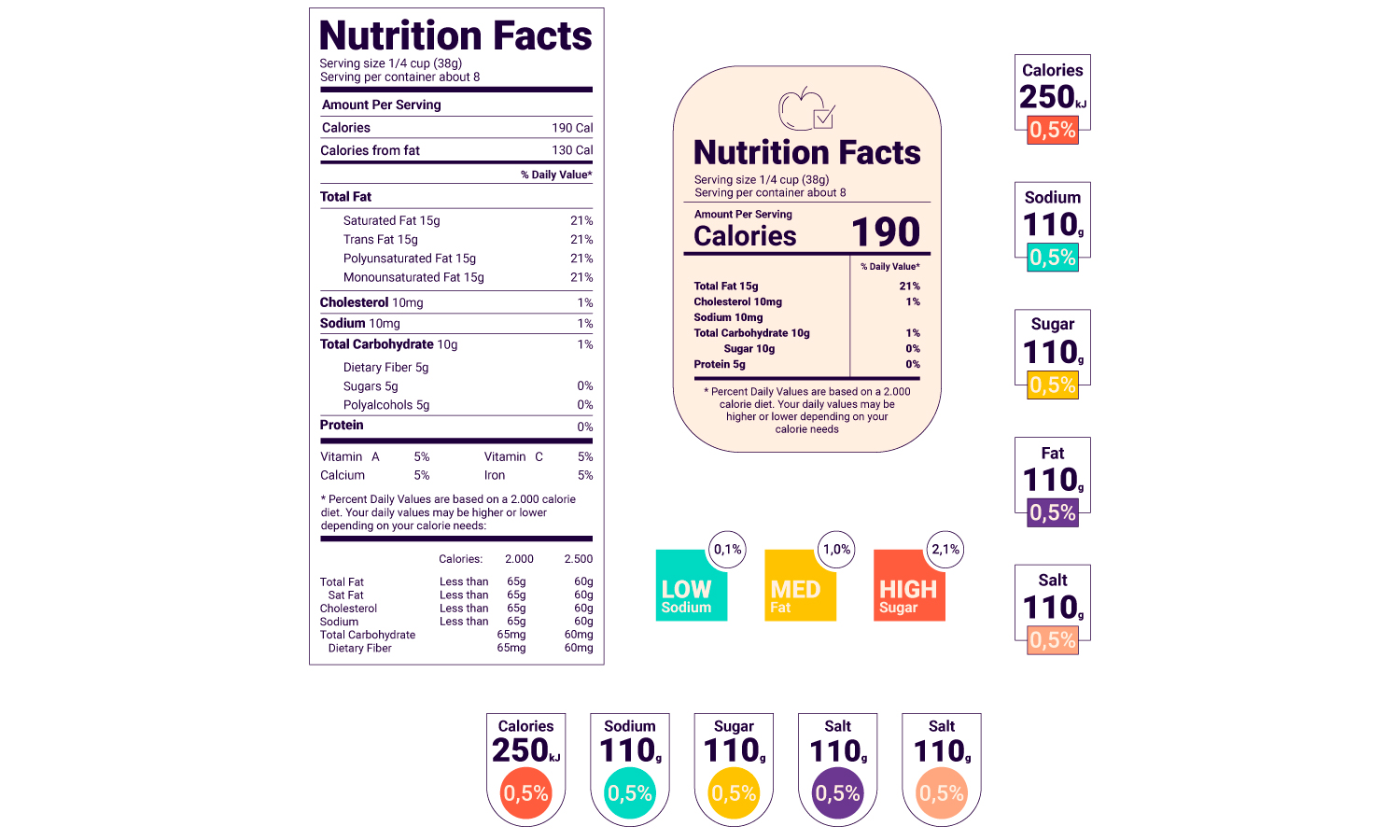
- Most prepackaged food products must include a nutrition declaration, covering energy value, fat, carbohydrates, protein, sugar, salt, etc.
- Exemptions may apply to small producers or unprocessed foods, but businesses must verify these exceptions case by case.
Date of Production or Batch Number
- Including a batch or lot number enables efficient tracking of products in case of a recall or quality issue.
Label Language and Format
- In accordance with Georgian law, all mandatory information must be provided in the Georgian language. Labels may include additional translations, but the Georgian text must be clear, legible, and prominently displayed.
The information should be:
- Indelible (not easily rubbed off),
- Visible at the time of purchase,
- And written in font sizes that are easy to read under normal shopping conditions.
Who Must Comply?
These requirements apply to:
- Local food producers
- Importers of foreign food products
- Retailers and distributors
Any business that fails to comply with these food labeling regulations risks fines, product recalls, or removal of products from shelves by regulatory authorities in Georgia.
How the Georgian Certification Organization Can Help
With growing consumer demand for transparency and accountability in the food industry, accurate food labeling is not optional – it’s a legal necessity. By adhering to Government Decree No. 301, businesses can avoid penalties and build lasting consumer trust in the Georgian market.
The Georgian Certification Organization (GCO) offers support and advisory services to ensure your food labeling practices comply with national legislation. We provide:
- Label reviews and compliance checks
- Training for regulatory staff
- Assistance with allergen declarations
- Updates on amendments to Georgian food law
By working with GCO, your business ensures consumer safety, protects your brand reputation, and maintains compliance in an evolving regulatory landscape.